

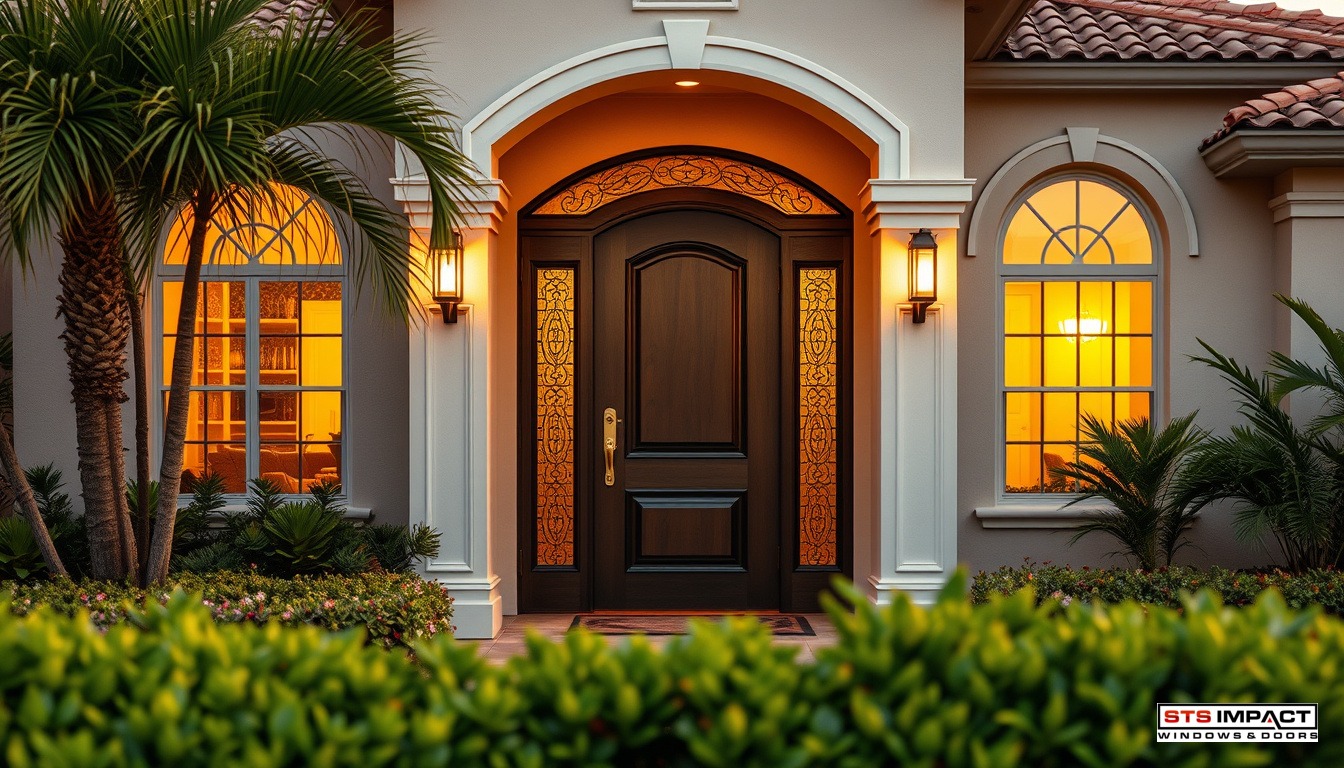
What Boca Raton Homeowners Get Wrong About Hurricane Impact Entry Doors
There’s a common assumption around here: as long as you have impact windows, your home is protected. But the front door is often the weakest point in the entire envelope. A standard fiberglass or wood entry door — even a solid one — is not built to handle 150+ mph wind loads or the kind of debris that a South Florida storm throws at it. If your door fails, the pressure change inside the structure can cause catastrophic roof damage within seconds.
Homeowners along the busy corridors near Palmetto Park Road and throughout the Boca West and Broken Sound communities have started asking more specific questions about entry door ratings, and for good reason. Palm Beach County’s building code requirements have tightened considerably, and HOA architectural guidelines in several gated communities now require products that meet specific Large Missile Impact ratings. A door that passed code five years ago may not satisfy the requirements for a new permit today.
The distinction between a “hurricane-rated door” and a true hurricane impact entry door matters more than most people realize. A hurricane-rated door may rely on shutters or panels for compliance. A genuine impact door uses a reinforced frame, multi-point locking system, and laminated glass or a solid core rated to withstand both wind pressure and debris impact — on its own, no add-ons required.
How Entry Door Failures Actually Happen
Most breaches don’t come from the door panel blowing inward. They start at the frame. Standard door frames use a single strike plate and a short screw set that barely reaches the stud. Multi-point locking systems on certified impact doors engage the frame at three to five points simultaneously, distributing load across the entire height of the door rather than concentrating stress on one lock bolt. That design difference is what separates a door that survives a Cat 3 from one that doesn’t.
Residents near Glades Road and the communities off Lyons Road are also dealing with the added challenge of salt-laden air year-round. Salt air accelerates corrosion in standard door hardware at a surprisingly fast rate. Certified impact door systems use marine-grade hardware and sealed frames specifically because this part of South Florida sits close enough to the coast that corrosion becomes a maintenance issue within a few years if the wrong materials are installed.
Choosing the Right Impact Door Style for Your Home’s Architecture


Entry doors are the first visual impression of any home, which means the style choice matters as much as the performance rating. The good news is that the days of choosing between protection and appearance are gone. The product options available through suppliers like impact doors in Florida now include everything from sleek modern flush panels to traditional raised-panel designs that match Mediterranean revival homes common throughout east Boca Raton.
A few categories worth knowing:
- Impact French doors work well for rear entries opening to pool decks or covered patios. They use the same laminated glass construction as single-panel impact doors, and the dual-panel swing allows for wider openings without compromising the storm rating.
- Single-panel impact entry doors are the most common choice for front entries. They’re available in fiberglass, steel, and aluminum frame configurations. Fiberglass holds up particularly well in humid coastal climates because it doesn’t warp, swell, or corrode the way wood and some steel options can.
- Custom impact doors let homeowners match an existing architectural style or HOA-required design. This is especially relevant in communities like Mizner Park and the historic Boca Raton Resort corridor, where design review boards have strict approval criteria.
Glass Panel Options and What They Actually Do
Many impact entry doors include glass lites — fixed glass panels built into the door or sidelights flanking it. These panels use the same construction as impact windows and doors Florida manufacturers apply to full window units: two layers of glass bonded to a PVB or SGP interlayer. When struck, the glass cracks but stays attached to the interlayer rather than shattering into the interior.
The interlayer also provides meaningful UV filtration. South-facing front entries in this part of South Florida take direct afternoon sun for six or more hours a day. Standard glass fades flooring and furniture quickly. Impact laminated glass cuts UV transmission significantly, which is a practical benefit that homeowners notice year-round, not just during storm season. You can browse the full product range to compare glass specifications across different door lines.
The HOA and Permit Landscape for Impact Door Replacements in Palm Beach County
If you live in one of the gated communities off Military Trail or in the sections of Boca Raton that fall under strict HOA governance, replacing your entry door involves two separate approval tracks. The county building permit process requires documentation showing the door’s Florida Product Approval number — every certified impact door has one on file with the Florida Department of Business and Professional Regulation. Without it, an inspector will fail the installation regardless of how well it was done.
The HOA approval track is separate and sometimes slower. Architectural review committees typically want to see the manufacturer’s specification sheet, a photo rendering or color sample, and in some communities, a formal submission with a fee. Timing these two processes so they don’t hold up your installation requires some coordination, and this is where working with an experienced local contractor pays off.
The Palm Beach County Building Division publishes current requirements for opening protection, including the Large Missile Impact standards that apply to entry doors. Checking the current code cycle before purchasing is worth the ten minutes it takes, particularly because South Florida building codes updated significantly after the 2005 hurricane season and are reviewed on a regular cycle.
What the Florida Product Approval Number Tells You
Every impact doors Florida product sold legally in this state carries a Florida Product Approval (FPA) number. This number is your verification that the door assembly — frame, panel, hardware, and glazing combined — has been independently tested and approved for the design pressure rating stated. A door panel alone can be rated, but if the frame isn’t part of the same approval, the assembly as a whole may not comply.
When you’re comparing quotes, ask each contractor to provide the FPA number for the specific door model being proposed. Cross-check it on the state’s online database. This is a quick step that separates legitimate impact door installations from cut-rate jobs using uncertified assemblies. The Florida Building Commission product approval search is publicly accessible and free to use.
Frequently Asked Questions About Hurricane Impact Entry Doors
Do impact entry doors require the same permit as impact window replacements?
Yes, in Palm Beach County, replacing an exterior entry door with an impact-rated unit requires a building permit. The permit covers the installation itself and requires a final inspection to confirm the door was installed per the manufacturer’s instructions and the approved Florida Product Approval specifications. Your contractor should pull this permit before work begins — if a company offers to skip the permit to save time or money, that’s a serious red flag. Unpermitted work can create complications when you sell the home or file an insurance claim.
How long does a hurricane impact front door installation typically take?
For a standard single-panel entry door replacement, the physical installation usually takes four to six hours once the permit is in hand. The longer timeline in most projects is the permitting and HOA approval process, which can run two to six weeks depending on the community and current county workload. Planning ahead before storm season — ideally between January and April — means shorter permit queues and better product availability.
Will replacing my entry door with an impact door actually lower my homeowner’s insurance?
It can. Florida insurers are required to offer discounts for opening protection that meets the Florida Building Code’s windstorm mitigation standards. A certified hurricane impact entry door, when documented in a wind mitigation inspection report, typically qualifies for a discount in the “opening protection” category. The actual savings vary by insurer and policy, but homeowners in Palm Beach County have reported meaningful annual reductions after completing full opening protection upgrades. It’s worth requesting an updated wind mitigation report from a licensed inspector after your door installation is finaled.
Choosing the right door for your home involves more than picking a style online. Local code requirements, HOA rules, product approval documentation, and proper installation technique all affect whether your investment actually performs when it matters. STS Impact Windows & Doors works with homeowners throughout the Boca Raton area and surrounding Palm Beach County communities to handle the full process, from product selection through final inspection. If you’re ready to get a specific number on your project, the team makes it straightforward to request a free quote without any obligation.


