

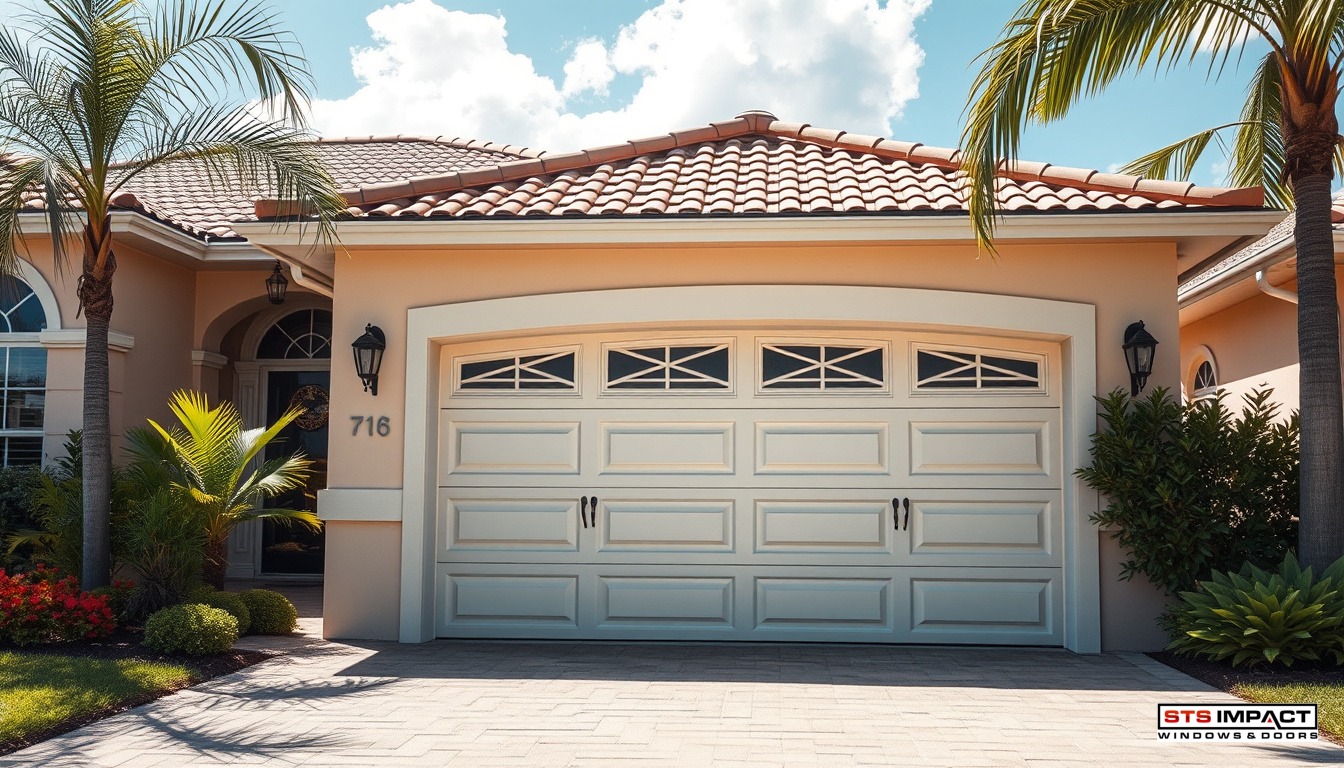
Why Your Garage Door Is the Weakest Link in a South Florida Storm
Most homeowners in this part of South Florida spend serious time thinking about their windows and entry doors when hurricane season rolls around. The garage door? It’s often an afterthought — and that’s a costly mistake. A standard garage door is typically the largest single opening on any home, and in a storm, it’s under enormous pressure. When a garage door fails during high winds, the structural consequences can ripple through the entire house: roof uplift, wall collapse, catastrophic interior damage.
Families near Oakmont Park along Southwest 35th Avenue have learned this the hard way after past storm seasons. The area sits well within South Florida’s wind-exposure zone, where building codes now require openings to meet strict impact ratings. A hurricane-rated garage door isn’t just a nice upgrade — it’s what keeps everything else intact when conditions get severe.
Standard roll-up doors are built for convenience, not for 150+ mph wind loads. Impact garage doors Florida products are engineered with reinforced steel or aluminum skins, heavy-duty tracks, and bracing systems designed specifically to resist the kind of lateral and uplift forces a major storm generates. The difference in construction is significant, and it shows when you compare damage claims side by side after any named storm.
Understanding Wind Load Ratings for Garage Doors
Every impact garage door sold in Florida carries a design pressure rating, often labeled as DP+ (positive pressure) and DP- (negative pressure). Positive pressure is the direct push of wind against the door; negative pressure is the suction pulling it outward. Both matter. Doors rated for 130 mph design wind speed may not cut it in areas like Palm Beach County, where local amendments to the Florida Building Code can require higher thresholds. Always confirm the rating before purchasing — and make sure the door is tested and approved by an accredited laboratory, not just self-certified by a manufacturer.
You can find detailed wind speed maps and county-specific requirements through the Florida Building Commission’s product approval database, which lists every approved opening protection product by category and rating.
Noise, Security, and Year-Round Reasons to Upgrade


Storm protection gets most of the headlines, but residents near Old Germantown Road and the Orchard View Elementary School area know that daily life quality matters just as much as hurricane readiness. Impact-rated garage doors carry laminated or insulated panel construction that dramatically cuts down on road noise — a real benefit for homes sitting close to busy corridors.
Laminated glass panels, when included in carriage-style impact garage doors, offer the same break-in resistance you’d expect from impact windows. Standard garage door glass is thin and easy to punch through. Laminated impact glass holds its shape even when cracked, making forced entry far more difficult and time-consuming. That deterrence factor matters year-round, not just in August and September.
There’s also an energy efficiency angle. Many impact garage doors in Florida come with polyurethane foam insulation injected between the steel panels. This creates a thermal barrier that makes attached garages noticeably cooler in summer and reduces the load on your air conditioning system. In a climate where AC runs nearly 10 months a year, that adds up.
Resale Value and What Buyers Expect in This Market
The Boca Raton real estate market has become increasingly sophisticated about storm protection. Buyers today ask specifically whether the garage door is impact-rated, and listing agents in Palm Beach County routinely call it out as a selling point when it is. A home near A1 Tropical Weddings on Arelia Drive with a fully permitted, impact-rated garage door installation checks a box that buyers are actively searching for.
According to the Remodeling Magazine Cost vs. Value Report, garage door replacements consistently rank among the highest ROI home improvement projects nationally. In South Florida, where wind mitigation credits and buyer expectations intersect, that return is even stronger. An upgraded door can also qualify your home for wind mitigation insurance discounts — a point worth confirming with your insurer after installation.
If you’re considering other storm-protection upgrades at the same time, browsing the full range of impact windows and doors available through STS Impact Windows & Doors gives you a clear picture of what a complete protection package looks like for a South Florida home.
What the Installation Process Actually Involves
Getting a new impact garage door is not the same as a quick Saturday afternoon project. The job involves precise measurements, structural header assessment, new track hardware, and in most cases a permit pulled through Palm Beach County’s building department. The permitting step is non-negotiable for impact-rated products — without it, your installation won’t qualify for insurance credits, and it could create legal complications if you sell the home later.
The timeline from measurement to final inspection typically runs two to four weeks, depending on permit queue times and product availability. Custom sizes, which are common in older Delray Beach homes with non-standard opening widths, can add time to the manufacturing lead. That’s worth factoring in if you’re trying to complete the work before the start of hurricane season in June.
For a full breakdown of what the process looks like and what documentation you’ll receive after completion, the impact windows and doors FAQ page covers the most common homeowner questions in one place.
Choosing the Right Door Style for Your Home’s Architecture
Impact garage doors come in more configurations than most homeowners expect. Raised panel steel doors are the most common and tend to fit modern and transitional architecture well. Carriage-house styles with decorative hardware give Mediterranean and Spanish-style homes a more authentic look. Full-view doors with aluminum frames and tempered or laminated glass panels are popular in contemporary builds where the garage is a design feature rather than an afterthought.
Color and finish options have expanded significantly. Many manufacturers now offer factory-applied finishes in dozens of colors with 10- to 15-year warranties against fading, which matters in South Florida’s intense UV environment. If you want to see real completed projects before committing, the STS project gallery shows a range of installed impact garage doors alongside window and door combinations across South Florida homes.
Frequently Asked Questions
Do impact garage doors require a permit in Palm Beach County?
Yes. Any structural opening protection installation in Palm Beach County, including impact-rated garage doors, requires a building permit. The permit ensures the product meets local wind load requirements and that installation was completed to code. Without a permit, the upgrade won’t qualify for insurance wind mitigation credits and could create disclosure issues when selling the home.
How long does an impact garage door installation take from start to finish?
Most installations take two to four weeks from the initial measurement appointment to the final county inspection. Custom sizes or non-standard configurations may add time on the manufacturing side. Permit processing in Palm Beach County typically adds one to two weeks to the overall timeline, so planning ahead of hurricane season is strongly recommended.
Can I finance an impact garage door installation?
Yes, financing options are available. PACE financing programs like Ygrene allow homeowners to repay the cost through their property tax bill, with no out-of-pocket payment required at installation. Other contractor payment plans spread costs over fixed monthly installments. Visit the Ygrene financing page or the Momnt financing page for current program details and eligibility requirements.
If you’re ready to get specific numbers for your home, STS Impact Windows & Doors offers free, no-pressure quotes for impact garage door installations throughout the Boca Raton and Delray Beach areas. Reach out through the free quote request page to get the process started with a team that knows Palm Beach County’s building requirements inside and out.


