

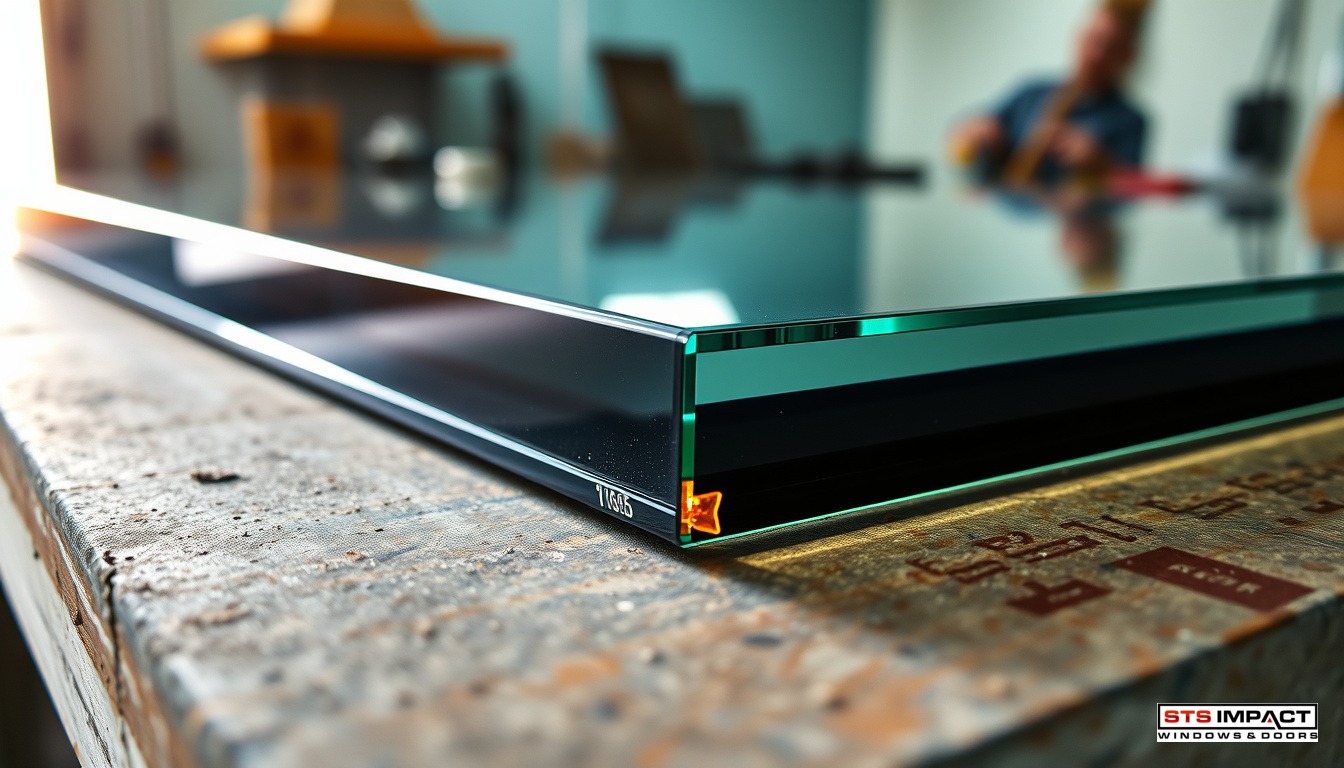
Why Don’t All Impact Windows Look the Same Thickness?
Impact window glass is manufactured in different thickness levels because the required protection varies based on a home’s location, exposure zone, and local building code. A window rated for a high-velocity hurricane zone near the coast needs thicker, laminated glass than one installed in a more sheltered inland area. The glass thickness directly affects the product’s impact rating and the wind speed it can withstand.
What Actually Determines the Glass Thickness You Need


The short answer is: your address does a lot of the deciding for you. Florida’s building code divides the state into wind speed zones, and South Florida — including Boca Raton and the surrounding coastal communities — sits in one of the most demanding categories. Products installed here must meet the Florida Building Code’s High-Velocity Hurricane Zone (HVHZ) standards, which set minimum glass and interlayer requirements.
The Role of the Interlayer
The glass itself is only part of the story. Impact-rated glass is made by bonding two panes of tempered or heat-strengthened glass around a polyvinyl butyral (PVB) or SGP (SentryGlas Plus) interlayer. When the glass breaks on impact, the interlayer holds the pieces in place. Thicker interlayers resist more force, which is why SGP interlayers are often specified for large openings or corner windows that face more wind pressure.
Window Size and Shape Change the Equation
A small bathroom window and a floor-to-ceiling living room window are under completely different stress loads during a storm. Larger glass panels flex more under wind pressure, so manufacturers specify thicker glass or stronger interlayers for oversized units. A licensed window installer will pull the product’s NOA (Notice of Acceptance) documents to confirm the glass configuration is appropriate for your opening dimensions — something that isn’t visible from a sales brochure.
Coastal Exposure vs. Interior Lots
Homes sitting directly on or near the Intracoastal carry a higher wind exposure classification than properties a few miles inland. That classification, called Exposure Category C or D under ASCE 7 standards, can push you toward a heavier glass specification even if your neighbor a few streets west uses a lighter product and it still passes inspection. Local contractors familiar with Boca Raton’s permitting process know these distinctions and won’t spec a product that’ll be flagged at inspection.
Does Thicker Always Mean Better?
Not automatically. Thicker glass adds weight, and heavier units put more stress on the frame and the rough opening. Using an over-specified product in a standard opening can actually create problems with hardware wear over time, especially on operable windows like casements or single-hungs where the sash moves repeatedly. The goal is the right specification, not the heaviest one available.
What This Means for Your Quote
When you get a quote for impact window installation, ask the contractor to identify the glass package on the product sheet. You want to see the glass thickness, the interlayer type, and the product’s approved wind speed rating. If a quote doesn’t include that detail, it’s worth asking before signing. You can also browse the product lines STS carries on the Our Products page to get familiar with what a quality spec looks like before your first conversation with a contractor.
If you’re replacing windows in Delray Beach or anywhere else along the coast, the same specification logic applies. The Impact Windows Florida page breaks down what to expect from a properly specified installation in this region.
Related Questions
Can I request a specific glass thickness, or does the contractor decide?
You can request it, and a good contractor will explain the trade-offs, but the final spec must meet the building code for your location and opening size. Upgrading to a thicker or stronger interlayer than the minimum is sometimes done for extra noise reduction or added peace of mind, but your contractor should confirm the frame and hardware can support the added weight before ordering.
Does glass thickness affect how much UV light comes through impact windows?
Somewhat. Thicker laminated glass with a PVB or SGP interlayer already blocks a significant portion of UV radiation — typically above 99% — regardless of thickness grade. Some manufacturers offer low-e glass coatings as an add-on that further reduces solar heat gain, which matters more for energy savings than the thickness itself. Ask your contractor about low-e options if heat reduction is a priority for your home.


