

What Makes Impact Windows Different From Regular Double-Pane Windows?
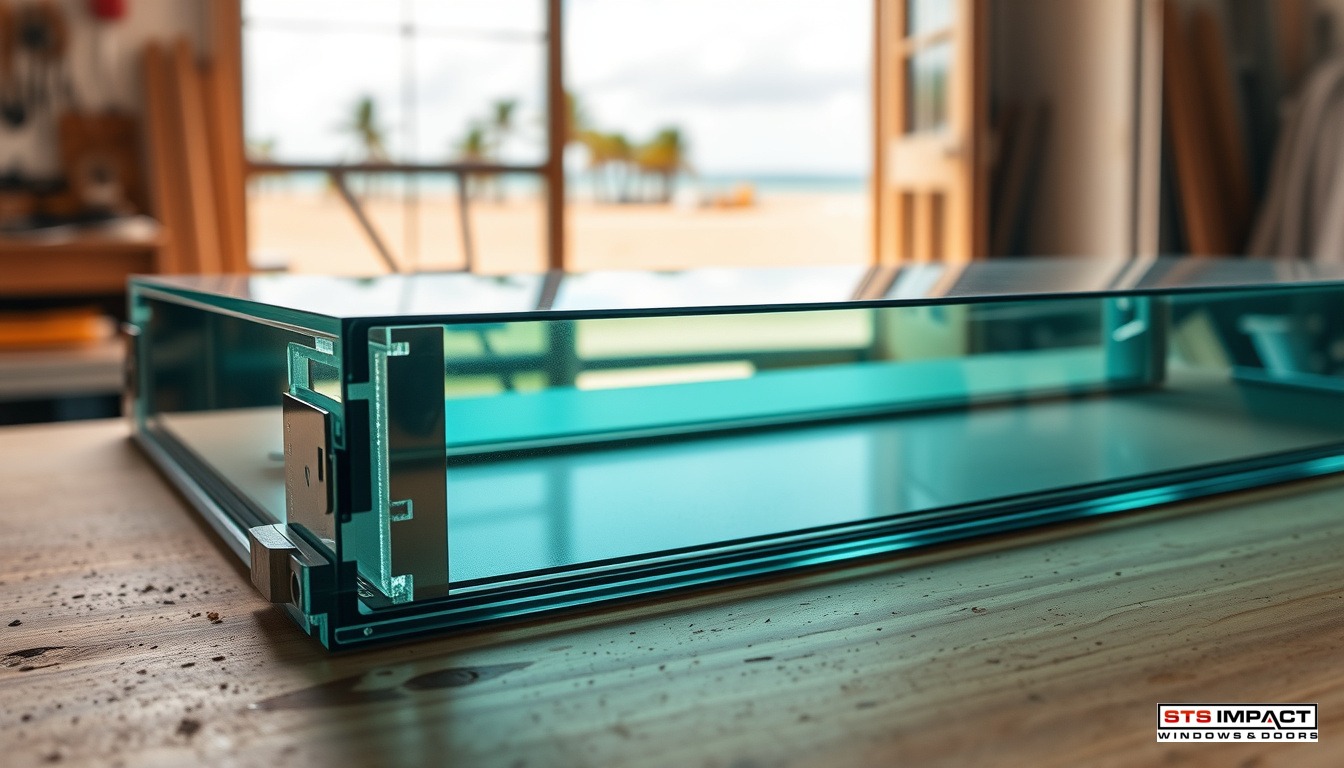
Impact windows use a laminated glass construction, bonding two panes around a tough interlayer, usually polyvinyl butyral (PVB) or SGP, so the glass holds together even when it cracks. Standard double-pane windows, including modern insulated units, are built for thermal performance, not structural resistance, and they shatter into dangerous fragments when struck by debris at high speed.
The difference comes down to what happens after the glass breaks. A regular double-pane window loses its seal and its integrity the moment it’s hit. An impact-rated unit stays in the opening, keeping wind pressure and rain out of the structure, which is what actually prevents catastrophic interior damage during a storm.
How the Laminated Glass Construction Works


The interlayer is doing the real work
Most people focus on glass thickness, but the PVB or SGP interlayer is what separates impact glass from every other window type. During manufacturing, the interlayer is bonded to both glass lites under heat and pressure. When a piece of roof tile or two-by-four hits the window at storm speed, the glass may crack in a spider-web pattern, but the interlayer absorbs the energy and holds every fragment in place. The opening stays sealed.
SGP (SentryGlas Plus) is stiffer and stronger than PVB, which is why you’ll see it specified on higher wind-zone products. In South Florida’s coastal exposure categories, contractors often recommend SGP-core units for homes within a mile of the shoreline. If you’re comparing products, ask the manufacturer which interlayer is used before assuming all impact glass performs the same. You can review the product lines available at STS Impact Windows & Doors to compare options side by side.
Why the frame matters just as much as the glass
A laminated glass unit installed in a weak frame is only as strong as that frame. Florida Building Code requires the entire window system, glass plus frame plus installation hardware, to pass the same large-missile impact test (TAS 201) and cyclic pressure test (TAS 203). That’s why a licensed contractor pulls permits and submits a Notice of Acceptance (NOA) number tied to the specific product being installed.
Aluminum frames are the most common choice in this region because they resist corrosion well and handle the expansion and contraction that comes with intense heat. Vinyl frames cost less upfront but can warp over time in direct sun exposure, which affects the seal between the frame and the rough opening. That seal is critical; a loose frame allows wind-driven water infiltration even if the glass itself survives the storm.
How This Compares to What Regular Double-Pane Glass Offers
Insulated glass units do one job well
Standard double-pane insulated glass units (IGUs) trap an argon or krypton gas layer between two panes to slow heat transfer. That’s genuinely useful in Florida for energy costs, and it’s the reason older single-pane homes in Boca Raton can see noticeable utility savings after replacement. But the IGU design assumes the glass will never be struck hard. There’s no interlayer, and the spacer bar holding the two panes apart adds no structural benefit under impact.
The good news is that impact-rated windows can also be manufactured as insulated units, combining the laminated interlayer with an additional glass lite and gas fill for both storm protection and energy efficiency. You get both in one product, which is why many homeowners in the area find the upgrade makes financial sense when factoring in wind mitigation insurance credits alongside lower cooling bills.
What the testing standards actually require
Florida uses some of the strictest fenestration standards in the country. Products installed here must carry a Miami-Dade NOA or a Florida Product Approval number. Regular double-pane windows sold in northern states carry no such certification and would fail the large-missile impact test, which fires a nine-pound two-by-four at the glass at 50 feet per second. Impact windows are tested to that standard before a single unit ships. Learn more about the installation process and what to expect by visiting the STS FAQ page.
Related Questions
Can you mix impact windows with regular windows in the same house?
Technically yes, but it creates a problem. Florida’s opening protection requirements treat the whole structure as a system. If even one opening lacks approved protection during a named storm, the pressure dynamics inside the home change, which increases the risk of roof uplift. Most insurers also require all openings to be protected before granting a wind mitigation discount, so mixing products often means giving up the insurance benefit entirely.
Do impact windows need any special maintenance compared to standard windows?
The glass itself needs very little beyond routine cleaning. The area that needs attention is the frame and perimeter sealant. Salt air and UV exposure in coastal South Florida break down exterior caulk faster than in other climates, typically every five to seven years. Inspect the bead around each frame annually and re-caulk any sections that show cracking or separation. Hardware, specifically locking mechanisms and weep holes, should be checked each spring before hurricane season starts to make sure drainage is clear and locks engage properly.


