

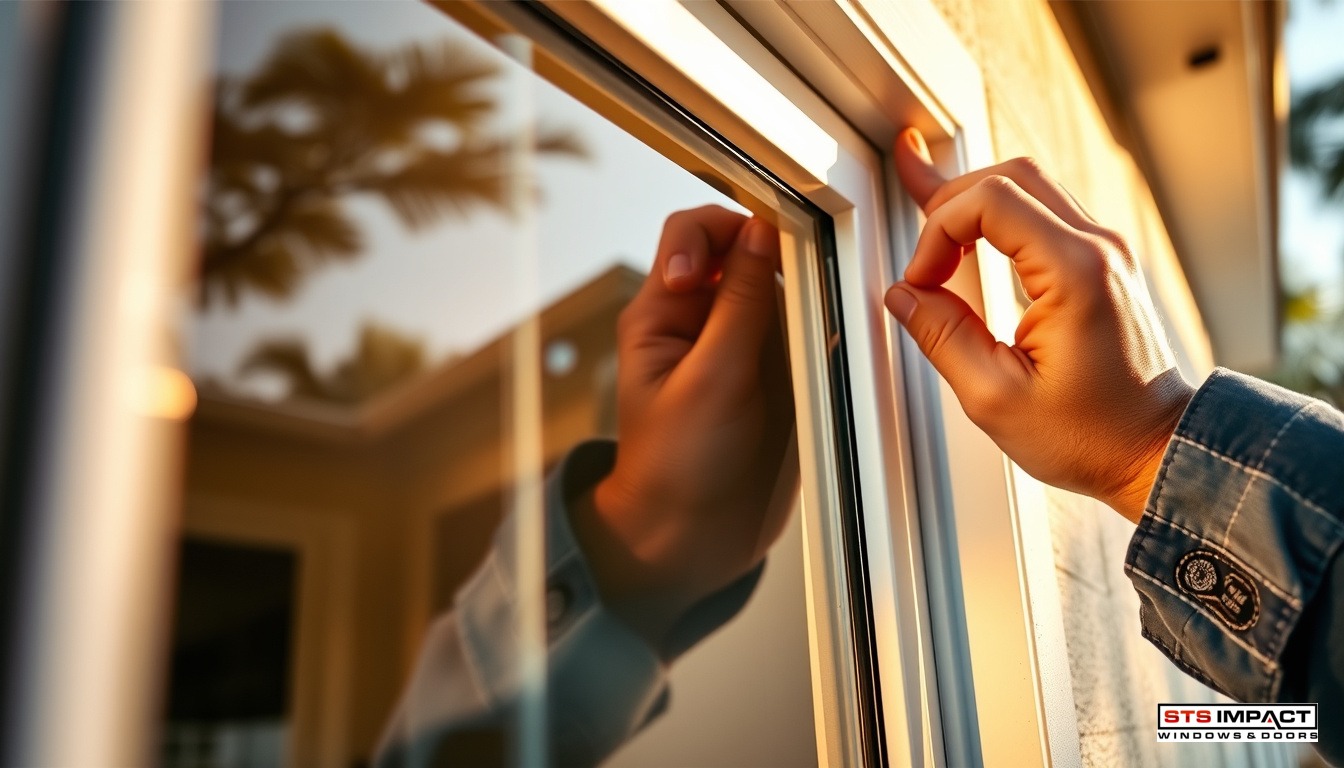
Why Do Some Impact Windows Rattle or Whistle After Installation?
A rattle or whistling sound after a new impact window installation almost always points to one of three issues: improper shimming during the install, a loose or incorrectly seated glazing bead, or a weatherstripping gap left between the sash and frame. These are fixable problems, and a qualified contractor should return to address them at no cost under their labor warranty.
What Actually Causes the Noise?


Shimming and Frame Alignment
When a crew sets an impact-rated window into a rough opening, they use shims to hold the frame square and level before fastening it to the wall. If a shim shifts slightly or gets left out, the frame can flex just enough under wind pressure to vibrate against the surrounding structure. In South Florida, even a 15 mph coastal breeze is enough to expose this kind of gap. The fix usually takes under an hour — a technician repositions the shim and re-secures the fasteners.
Glazing Bead Problems
The glazing bead is the thin strip of material that holds the laminated glass unit tight inside the frame. On a double-pane impact window, the glass itself is heavy — sometimes 40 to 50 pounds per sash — and if the bead wasn’t snapped firmly into place during installation, the glass can shift slightly and produce a low-frequency hum or rattle when air pressure changes. This is more common on larger picture windows or wide sliding glass panels.
Weatherstripping and Seal Gaps
Whistling is almost always a weatherstripping issue. A thin gap between the moving sash and the frame allows air to pass through at speed, creating a tone similar to blowing across a bottle opening. This can happen if the weatherstripping was pinched during installation or if the sash isn’t closing completely against the frame. Adjusting the latch hardware or replacing the strip fixes it quickly. Check out the STS Windows FAQ for a breakdown of what’s typically covered under post-installation service.
When Should You Actually Be Worried?
Noise That Points to a Bigger Structural Problem
Most post-install sounds are cosmetic fixes. But if you hear a deep creaking or popping sound — especially when temperatures swing between morning and afternoon — that can indicate the window frame is binding against the rough opening. This happens when the opening wasn’t properly sized or when the surrounding wall framing has some movement of its own, which is not unusual in older Boca Raton homes built before modern building codes tightened up. A full inspection of the installed units can rule out frame stress before it becomes a water intrusion issue.
How Long Before You Should Call?
Give it about two weeks after installation. Some minor settling sounds disappear on their own as the sealant and caulking cure fully. If the noise is still there after that window, call your contractor. Don’t wait months. Persistent air infiltration can compromise the energy performance you paid for, and in South Florida’s humidity, even a small gap can let in enough moisture to encourage mold growth around the frame interior.
If you’re still choosing a contractor and want to know what kind of post-install support to expect, the STS Way page explains how the process works from first measure to final walkthrough.
Related Questions
Does noise from an impact window mean it won't perform properly in a hurricane?
A rattle or whistle under normal wind conditions doesn’t automatically mean the window will fail in a storm — but it does mean something wasn’t installed correctly and should be corrected. Impact-rated windows are tested to meet strict Florida Building Code wind load requirements, and that performance depends on every component, including the glazing bead and frame fasteners, being properly seated. A window with a loose fit should be re-inspected before hurricane season, not after.
Can I try to fix a rattling impact window myself?
Adjusting latch hardware or replacing an exposed weatherstrip is something a handy homeowner can attempt. But re-shimming a frame or reseating a glazing bead on laminated glass is a different matter. Doing it wrong can void the product warranty and, in some cases, compromise the Florida Building Code approval tied to the specific installation method. The better move is to contact your installer and have them correct it under the labor warranty. For broader context on how impact glass is constructed and tested, the National Wood Window and Door Association publishes performance standards that apply to most residential installations. If you’re based in the area and want a professional set of eyes on the problem, reach out to the STS team directly.


