

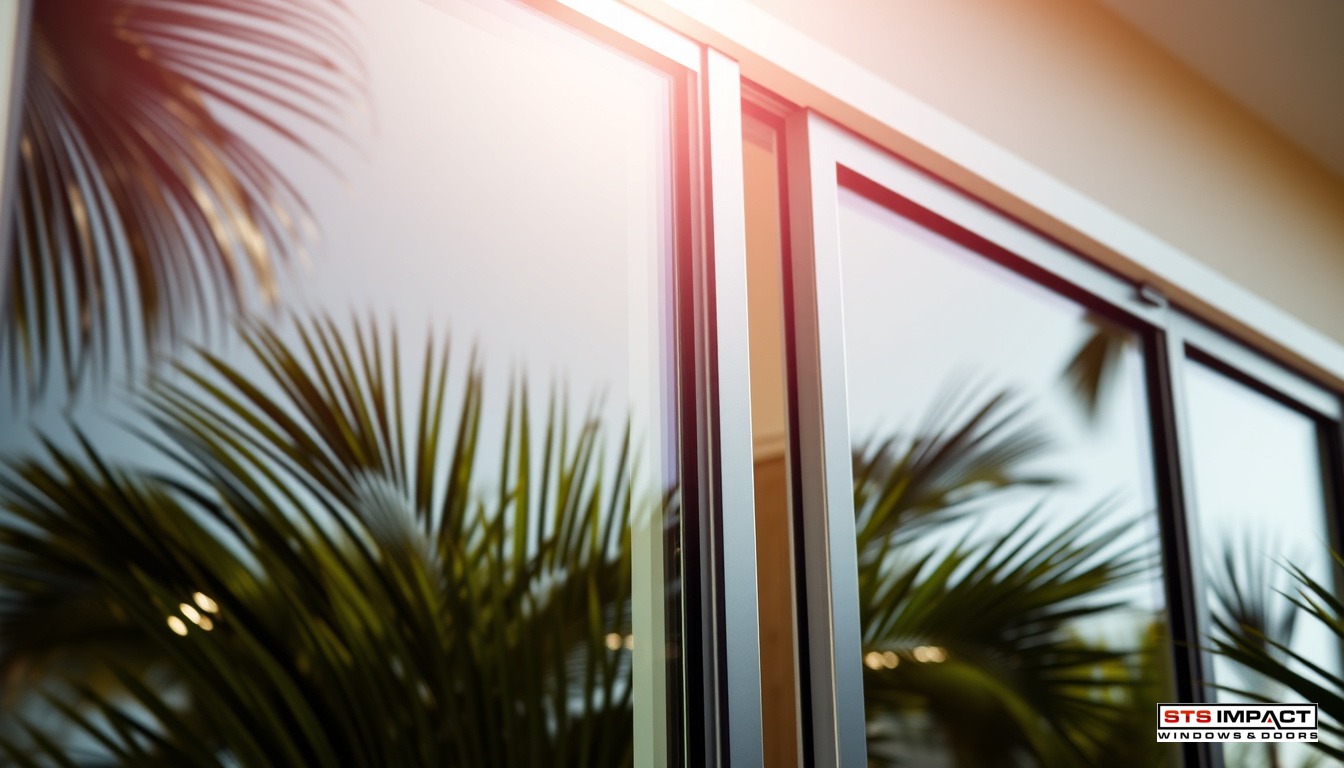
What’s the Right Frame Material for Impact Windows in South Florida’s Climate?
South Florida’s heat, humidity, and salt air put real stress on window frames over time. For most homes in the area, vinyl and aluminum frames are the two dominant choices for impact-rated windows, and each handles the local climate differently. The right pick depends on your home’s exposure to salt, your budget, and how much maintenance you’re willing to do.
How Frame Materials Actually Perform in Coastal Conditions


A window’s glass gets most of the attention, but the frame is doing just as much work. It holds the unit in the opening, absorbs pressure during a storm, and has to resist corrosion year after year. Choosing the wrong material in a coastal ZIP code can mean early failure, fogging seals, and frames that look beat up within a few years.
Vinyl Frames
Vinyl frames don’t corrode, period. That’s their biggest selling point along the coast. They won’t rust, they don’t need painting, and they’re naturally resistant to the kind of salt-laden moisture that eats through metal finishes. Energy performance is solid too — vinyl is a poor conductor of heat, so it won’t transfer the outdoor Florida heat into your home the way aluminum can.
The tradeoff is structural. Vinyl isn’t as rigid as aluminum, which matters when you’re talking about a window rated to withstand 150+ mph winds. Manufacturers compensate with internal reinforcing channels, but a well-built aluminum frame still tends to handle extreme pressure loads more confidently. For homes right on the water, or anywhere wind speeds in a major storm would be at their worst, that difference is worth thinking about.
Aluminum Frames
Aluminum frames are stronger and slimmer, which allows for larger glass panes and thinner sightlines — a look a lot of homeowners in Boca Raton prefer. They’re also easier to get in custom sizes, which matters when you’re replacing older or non-standard openings.
The catch is corrosion. Bare aluminum oxidizes fast near the ocean. Quality frames use a polyamide thermal break between the inner and outer sections, which both slows heat transfer and protects the frame’s structural core. Finish matters too — anodized coatings hold up better than standard paint near salt air. If your home is within a mile or two of the ocean, ask specifically about the corrosion rating on any aluminum product you’re considering. Reviewing the manufacturer specs before committing is worth the extra step.
What Installers in This Area Typically Recommend
Experienced window contractors in South Florida tend to recommend aluminum for homes that want a cleaner, more architectural look or have larger openings to fill. Vinyl gets the nod for homes a bit further from the shore where salt exposure is lower and energy savings are the bigger priority. Either way, the quality of the installation matters just as much as the frame material itself — a poorly installed vinyl window will fail faster than a well-installed aluminum one, regardless of the specs on the box.
If you want to compare specific products side by side, the product options at STS cover both frame types across several manufacturers. That’s a practical place to start narrowing things down before you talk to anyone in person.
It’s also worth checking what the City of Boca Raton’s building department requires for permitted window replacements in your specific zone, since coastal high-velocity zones sometimes have stricter product approval requirements. And the Florida Building Commission maintains a searchable database of approved impact products, which lets you verify that any frame and glass combination you’re considering has actually passed Florida’s product approval process.
Related Questions
Does frame color affect how impact windows perform in the heat?
Darker frames absorb more heat, which can cause slight expansion and contraction over time. In direct Florida sun, this matters more for vinyl than aluminum, since vinyl has a higher thermal expansion rate. Most manufacturers account for this in their engineering, but if you’re going with a dark exterior finish on a vinyl frame, confirm the product is rated for high-temperature climates. Lighter colors or standard bronze aluminum finishes are the safer choice if you want to minimize long-term stress on the frame.
How do I know if a contractor is actually installing the frame correctly?
Proper installation means the frame is shimmed level and plumb, anchored to the rough opening at the correct intervals per the product’s Notice of Acceptance (NOA), and fully sealed against water intrusion on both the interior and exterior. A reputable installer will pull the required permit, schedule inspections, and give you documentation when the job is complete. If a contractor skips the permit or can’t produce the product’s NOA, that’s a red flag regardless of how low the quote is.


