

Why Does My HOA Have a Specific List of Approved Impact Window Brands?
Most HOAs that require impact-rated windows also maintain an approved product list because they want visual consistency across the community. The frames, glass tint, and grid patterns need to look similar from the street, and certain manufacturers meet both the Miami-Dade Notice of Acceptance (NOA) standards and the community’s design guidelines at the same time.
What’s Really Behind the Approved Brand List


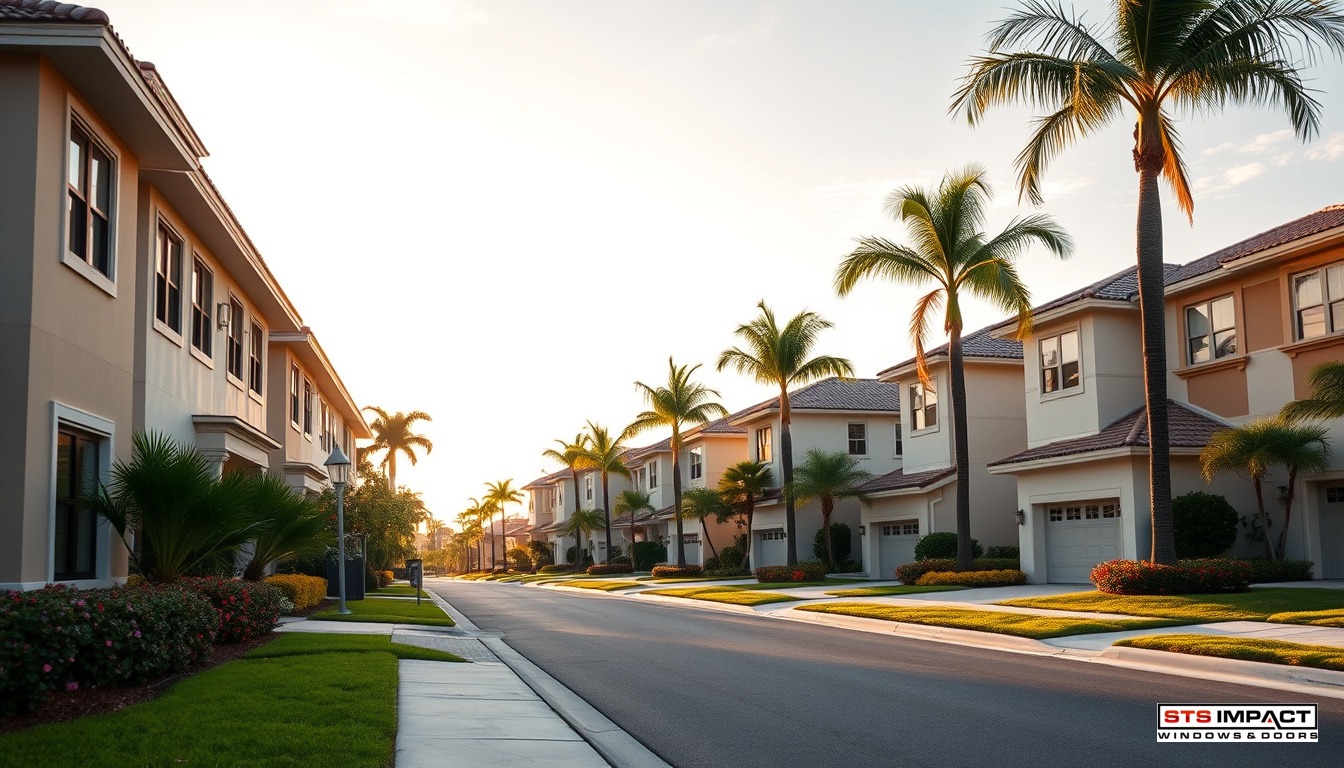
It’s easy to assume HOA product restrictions are just bureaucratic red tape, but there’s usually a practical reason the list exists. Communities in Boca Raton — especially older planned developments built in the 1980s and 90s — were designed with a specific exterior aesthetic in mind. Bronze frames, lightly tinted glass, colonial grids. When one home swaps those out for bright white frames and clear glass, it sticks out in a way that can affect neighboring property values and trigger complaints.
The NOA Approval Layer
Beyond looks, every impact window sold in South Florida must carry a valid Miami-Dade County Notice of Acceptance. This document certifies that the product was tested to withstand large missile impact and sustained wind pressure. HOAs often build their approved lists around products that already hold current NOA certifications, which simplifies the permitting process for homeowners and reduces the association’s liability exposure.
If a product on your contractor’s quote isn’t on the HOA list, it doesn’t automatically mean the product is inferior. It may simply mean the association hasn’t reviewed it yet. Some HOAs will accept a variance request if you can show the product holds a valid NOA and matches the community’s exterior specs. Worth asking before you assume the door is closed.
Frame Color and Glass Tint Rules
These two details trip up homeowners more than anything else. An HOA might approve a specific frame color code, like a particular bronze or tan, that only certain manufacturers offer. Glass tint restrictions are equally common. A solar bronze or gray tint might be required to keep the street-facing elevation consistent. If your contractor orders clear glass with a white frame to save money, the HOA architectural review board will send you back to square one.
Before signing any contract, pull your HOA’s current architectural guidelines and cross-reference the product specs. A qualified impact window installer who works regularly in your area will already know which products are pre-approved and can save you weeks of back-and-forth.
How to Navigate HOA Approval Without Delays
The process doesn’t have to be slow. Homeowners who run into approval delays usually skipped one of a handful of steps.
Get the Paperwork Before Picking a Product
Request the HOA’s current approved product list and architectural review application before you start shopping. Some communities in the area update these lists annually, so a brand that was approved two years ago might have been removed. Knowing this upfront shapes the conversation with your contractor from day one.
Submit Complete Documentation
Architectural review boards reject incomplete submissions regularly. A complete package typically includes the product’s NOA certificate, manufacturer spec sheets, a drawing showing where each window sits on the home’s elevation, and a sample or photo of the frame color. Missing any one of these can add two to four weeks to your timeline while you wait for the next board meeting.
If you’re not sure where to start, the team at STS Impact Windows & Doors works with HOAs across Palm Beach County regularly and can help you pull together the right documentation the first time. You can also browse the manufacturer options they carry to see which brands commonly appear on local approved lists.
For a broader look at Florida’s impact window standards, the Florida Building Commission publishes the current code requirements that every product must meet before it can be sold or installed statewide.
Related Questions
Can an HOA deny my impact window installation even if the product is code-compliant?
Yes, an HOA can reject a product that meets building code if it doesn’t align with the community’s architectural standards. Code compliance and HOA approval are two separate hurdles. A product can pass Miami-Dade testing and still be turned down by an architectural review board because the frame color or glass tint doesn’t match the community’s guidelines. Always get HOA pre-approval before ordering materials.
How long does HOA architectural review typically take for impact window projects?
Most HOA review boards meet monthly, and turnaround runs anywhere from two weeks to six weeks depending on how complete your submission is and how often the board convenes. Some larger communities have a dedicated architectural review committee that can move faster. Submitting a complete, well-documented application on the first try is the single biggest factor in keeping the timeline short.


