

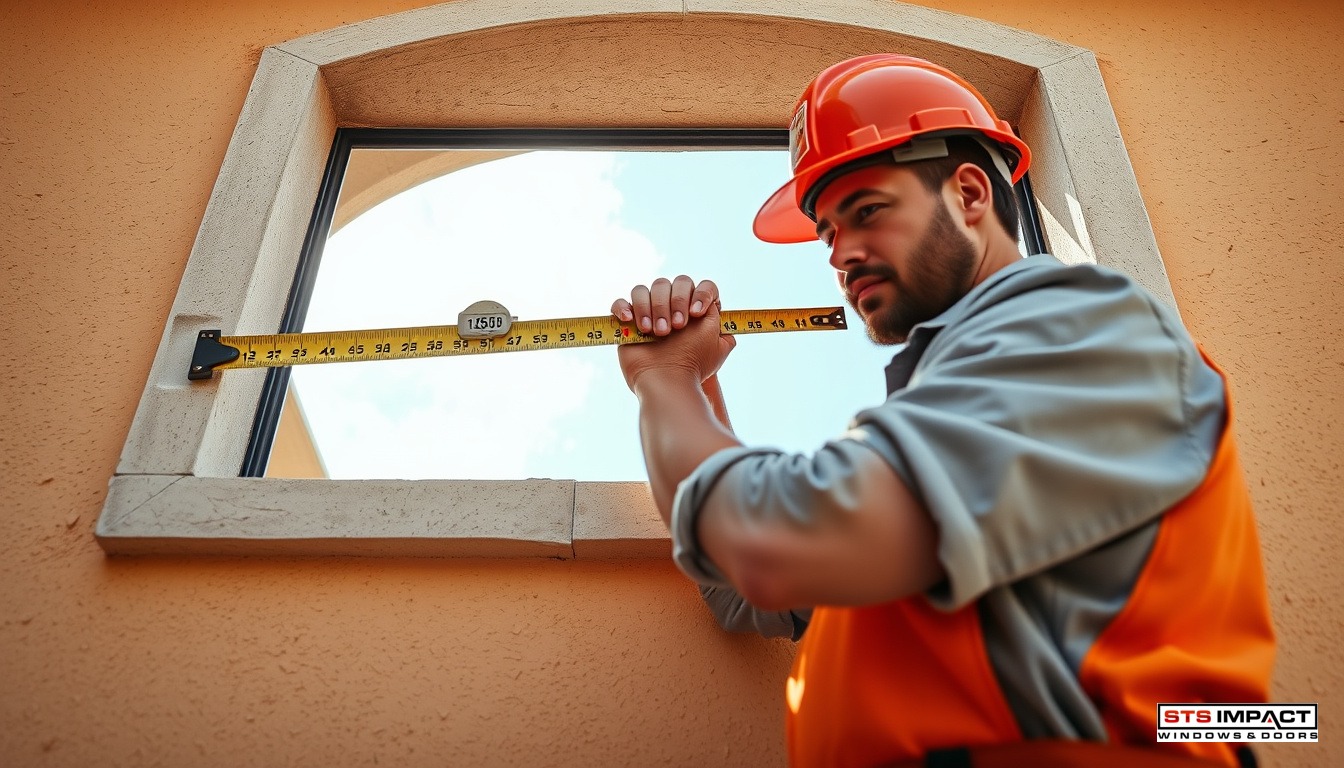
How Do Impact Window Installers Handle Homes with Non-Standard or Oversized Openings?
Homes with non-standard window openings require custom-ordered units built to exact measurements rather than stock sizes pulled from a warehouse. A qualified installer will take detailed field measurements, account for any structural irregularities in the rough opening, and order frames sized to fit precisely so the installation passes both the manufacturer’s specs and the local building department’s inspection.
Why Non-Standard Openings Are More Common Than You’d Think


South Florida’s housing stock is older and more varied than most people expect. Homes built in the 1960s and 1970s often used window sizes that no longer match today’s standard product lines. Concrete block construction — the norm across Palm Beach County — can also produce openings that are slightly out of square due to decades of settling or previous repair work.
What “Non-Standard” Actually Means in Practice
Custom sizing doesn’t necessarily mean exotic or expensive. It usually means the width or height falls a half-inch or more outside a manufacturer’s off-the-shelf range. For example, a 47-inch wide opening instead of the standard 48-inch unit. That gap matters a lot when you’re dealing with impact-rated glazing systems, because the frame-to-wall connection has to meet specific load requirements under Florida Building Code. A window that’s shimmed or patched to fit an oversized hole won’t pass inspection.
Installers also encounter arched or radius windows, picture windows that span an unusually wide wall section, and jalousie replacement situations where the original rough opening was never truly square. Each of these needs individual attention before any order gets placed.
The Measurement Process a Good Installer Follows
A thorough pre-installation site visit covers more than pulling a tape measure across the opening. Installers check for header integrity above the opening, look at the condition of the existing buck or sub-frame, and confirm the wall depth to make sure the new frame will sit flush with both the interior and exterior finish surfaces. In Boca Raton, where many homes have stucco exteriors and drywall interiors, that depth check is especially important for a clean, weather-tight final look.
Photos and sometimes laser measurements get sent directly to the manufacturer so the custom unit is built to the actual field conditions, not the architectural drawings that may no longer reflect reality. This step adds a week or two to lead time, but it’s the only way to avoid costly reorders or on-site modifications that void the product warranty.
What Homeowners Should Do Before the Installer Arrives
The biggest thing you can do is be honest about your home’s history. If previous windows were replaced, modified, or if there was ever water intrusion around a frame, tell the contractor upfront. Hidden rot in a wood buck or corroded fasteners in a concrete sill can change the entire scope of the job.
Clearing the Area and Checking HOA Approvals
Move furniture and window treatments at least three feet back from each opening. Installers need room to maneuver large glass units, and impact glass is heavy — a single unit for an oversized opening can weigh well over 100 pounds. If your community has an HOA, confirm that your window frame color and style have been approved before the order is placed. Changing a color after manufacturing means a full reorder and a months-long delay. You can see examples of finished projects and frame options in the STS project gallery if you’re still deciding.
Understanding the Permit Timeline for Custom Work
Custom-sized units still go through the same permit process as standard ones, but the review can take a few extra days if the building department requests the manufacturer’s product approval documents for a less common size. The City of Boca Raton requires a valid permit and final inspection for any window replacement, regardless of size. Your contractor handles the submission, but knowing this ahead of time keeps expectations realistic. For a broader look at what the Florida Building Code requires for impact window installations, the Florida Building Commission publishes product approval search tools that homeowners can use to verify any unit before it’s ordered.
If you want to talk through your specific openings before committing to anything, request a free quote from STS and a team member will schedule a site visit to measure everything properly.
Related Questions
Can a contractor modify my existing rough opening to fit a standard-size impact window instead of ordering custom?
Yes, but it depends on the wall construction. In a wood-frame home, resizing the rough opening is relatively straightforward. In a concrete block structure, cutting or filling a masonry opening requires structural review and adds labor cost that can match or exceed the price difference between a custom unit and a standard one. A good contractor will price both options so you can make an informed call.
Do impact windows for oversized or custom openings carry the same warranty as standard units?
They should, as long as they’re built by a reputable manufacturer to Florida product approval standards. The warranty covers the insulated glass unit, the frame, and the hardware under normal use conditions. What voids most warranties is improper installation, which is why working with a licensed impact window specialist matters as much as the product itself. Always ask to see the product approval number before signing off on any custom order.


