

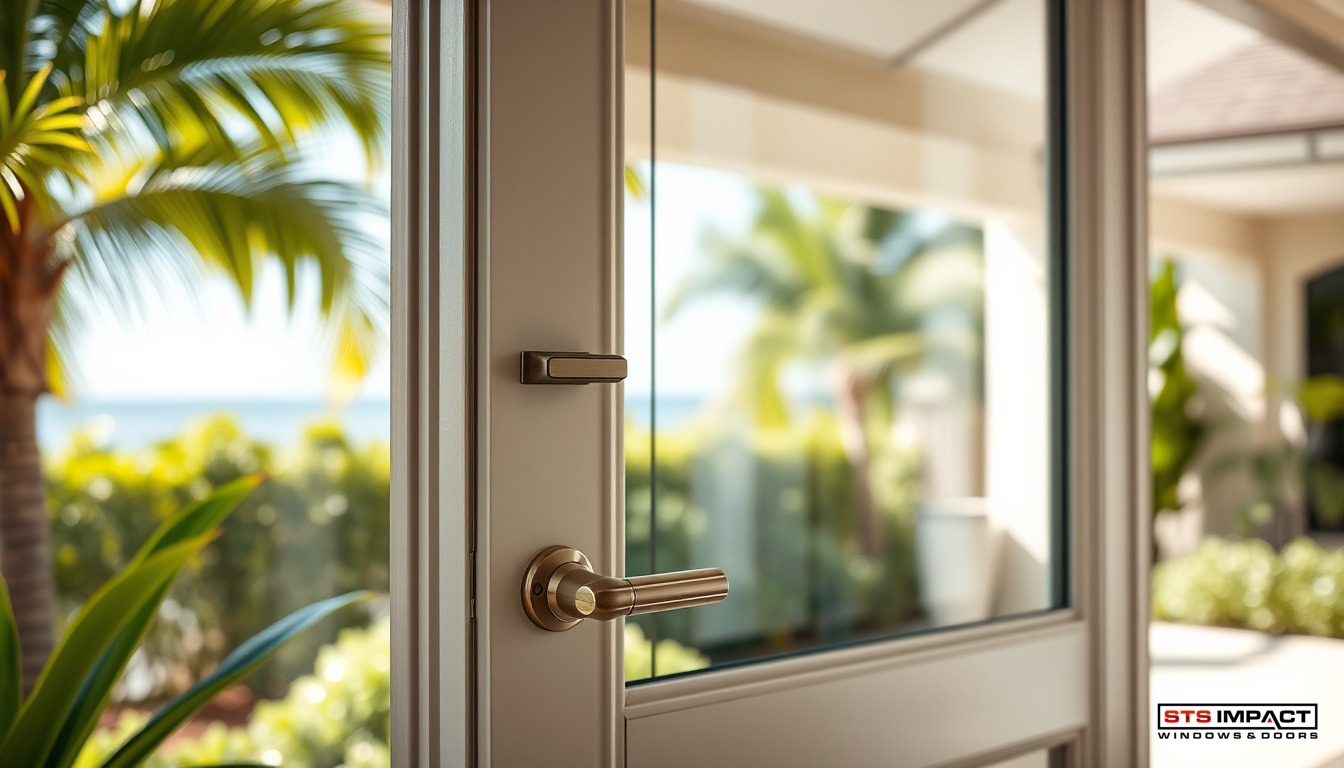
Why Entry Doors Matter More Than Most Boca Raton Homeowners Realize
Your front door takes a beating that most people underestimate. In South Florida, it’s the first point of contact for hurricane-force winds, wind-driven rain, and the kind of sustained pressure that can peel a standard door right off its frame. Yet many homeowners along Yamato Road and the communities near Morikami Park Road spend thousands on impact windows and almost nothing on upgrading the entry door that faces the same storm.
That disconnect matters. A hurricane impact entry door is engineered differently than a decorative fiberglass or wood door. It uses a reinforced frame, heavy-duty multi-point locking hardware, and laminated impact-resistant glass — the same core glass technology found in impact windows Florida installations — to hold its shape and seal even when wind loads exceed 150 mph. The door doesn’t just protect against wind. It prevents the kind of catastrophic interior pressurization that happens when a breach occurs, which is what causes roofs to fail during major storms.
Homeowners near the Yamato-kan museum on Morikami Park Road in Delray Beach sit in a zone where storm surge, tropical systems, and seasonal wind exposure are real annual considerations. For those residents, a compromised entry door isn’t a cosmetic problem. It’s a structural vulnerability.
What Sets a True Impact Entry Door Apart
The term “storm door” gets thrown around loosely, but hurricane impact doors carry specific product approvals tied to Florida Building Code requirements. The Miami-Dade Notice of Acceptance (NOA) is the gold standard. Products that carry it have been tested to withstand large missile impact, cyclic wind pressure, and water infiltration at levels that simulate a direct hurricane hit.
When you browse impact doors Florida options, you’ll see products tested and rated by manufacturers like PGT, CGI, and WinDoor. These aren’t interchangeable with builder-grade doors sold at big-box stores. Frame depth, glass interlayer thickness, and hardware anchoring are all engineered together as a system. Pull one piece out of spec and the whole assembly can fail the rating.
Flood Zones, Coastal Exposure, and Door Product Requirements Near This Area


Boca Raton sits within several FEMA flood zone designations, and the distinctions matter when choosing a door. Homes in AE zones and VE coastal zones face stricter requirements because the insurance and structural risk profile is higher. The Florida Division of Emergency Management publishes flood zone maps that show how much of the developed area near Glades Road, Palmetto Park Road, and Spanish River Boulevard falls inside regulated zones.
For homes in these zones, the entry door selection isn’t just about aesthetics or even storm performance in isolation. It connects to your elevation certificate, your flood insurance policy terms, and in some cases your homeowner’s insurance wind mitigation inspection. A properly rated custom impact door installed with a full permit and inspection creates a documented record that insurers and future buyers can verify. That paper trail has real monetary value at resale.
The My Safe Florida Home grant program is worth a serious look for homeowners in this part of South Florida. The state program offers grants for wind mitigation improvements, including qualifying impact door installations. Funding is limited and applications open in cycles, so checking current eligibility early gives local residents the best shot at securing a grant before the round closes.
How Flood Zone Classification Affects Your Door Choice
Not every impact entry door product is rated for both wind and water exposure at the same performance level. Homes in VE zones, which carry the highest coastal flood risk, may need doors with additional weatherstripping, higher sill ratings, and frame anchoring systems designed for elevated wind pressure at low installation heights. An experienced contractor who pulls permits locally will know which products clear both the wind and flood exposure thresholds for the specific zone your address falls in.
This is also where the difference between impact doors in Florida and standard exterior doors becomes financially significant. A standard door denied by an insurer or flagged during a wind mitigation inspection costs you twice — once to buy and once to replace. Spec-ing the right door from the start is the cheaper path.
Choosing the Right Door Style for Your Home’s Specific Needs
Entry doors aren’t one-size. The opening size, the architectural style of the home, and whether you want sidelights or a full glass panel all affect which product line works. Homeowners near the Yamato-kan area tend to have a mix of older ranch-style homes and newer construction, and the door solution for each looks very different.
For wider openings, impact French doors are a popular choice. They provide the visual openness of a double-door configuration while still carrying the impact rating required by Florida code. For single-door openings, a solid-core impact entry door with decorative glass inserts is often the right call — it combines curb appeal with performance. Both styles are available through manufacturers like PGT Impact Windows and Doors and CGI Impact Windows and Doors, which produce door systems specifically engineered for South Florida conditions.
If your home has an attached garage, don’t overlook the side door between the garage and the interior living space. That opening often gets ignored during upgrades, but it’s a pressure point. Pairing a proper entry door upgrade with attention to your impact garage door keeps the whole envelope consistent.
Sidelights, Glass Panels, and Frame Material Decisions
One question that comes up constantly: should you get a door with full glass, partial glass, or no glass? The honest answer depends on sun exposure and privacy more than security. Laminated impact glass in an entry door is just as strong as the solid sections of the door when the assembly is rated as a unit. What changes is solar heat gain. A west-facing door with full glass panels will push more heat into your entryway than one with smaller decorative inserts. In the Boca Raton climate, that’s a legitimate consideration for energy bills, not just storm performance.
Frame material also matters. Fiberglass frames resist warping and salt air better than wood in this part of South Florida. Steel frames offer strength but need proper coatings to resist rust in the coastal humidity you get anywhere south of Yamato Road. Aluminum frames with thermal breaks split the difference for many homeowners — light, corrosion-resistant, and capable of carrying the required impact ratings.
Frequently Asked Questions
Does a hurricane impact entry door need a permit in Boca Raton?
Yes. Any replacement or new installation of an exterior door in Boca Raton requires a building permit and a final inspection by the local building department. The permit process verifies that the product carries the required Miami-Dade or Florida Building Code approval and that it’s installed to manufacturer specs. Skipping the permit creates liability at resale and can result in insurance claim denials after a storm event. A licensed contractor handles this process as part of a standard installation.
Can I qualify for the My Safe Florida Home grant to cover an impact entry door?
Possibly, yes. The My Safe Florida Home program covers qualifying wind mitigation improvements, and impact-rated exterior doors are included in the eligible upgrade list. Homeowners must first complete a free wind mitigation inspection through the program, then apply for the grant. The state matches homeowner spending up to the grant cap, which has varied by funding cycle. Check the Florida Division of Emergency Management’s program page for current eligibility rules and open application windows. Area homeowners near Glades Road and Spanish River Boulevard have used this program successfully in past cycles.
How long does a hurricane impact entry door installation typically take?
The physical installation for a single entry door usually takes one day or less once the product arrives. Lead times for the door itself vary by manufacturer and style — custom sizes or specialty glass panels can run four to eight weeks. The permit process adds time before the work begins, typically one to three weeks depending on the municipality’s review queue. Planning three to ten weeks from contract signing to completed installation is a reasonable expectation for most residential projects in this part of South Florida.
If you’re a homeowner near Morikami Park Road, along Palmetto Park Road, or anywhere in the broader Boca Raton area and you’ve been putting off an entry door upgrade, the right time to act is before the season puts the question out of your hands. STS Impact Windows & Doors works with homeowners throughout this area to specify, permit, and install impact entry doors that meet Florida code and hold up to real coastal conditions. Request a free quote to get the conversation started, or browse the FAQ page for answers to common questions about product options, financing, and the installation process. STS Impact Windows & Doors brings the kind of local knowledge that makes the difference between a door that looks good on paper and one that performs when it counts.


