

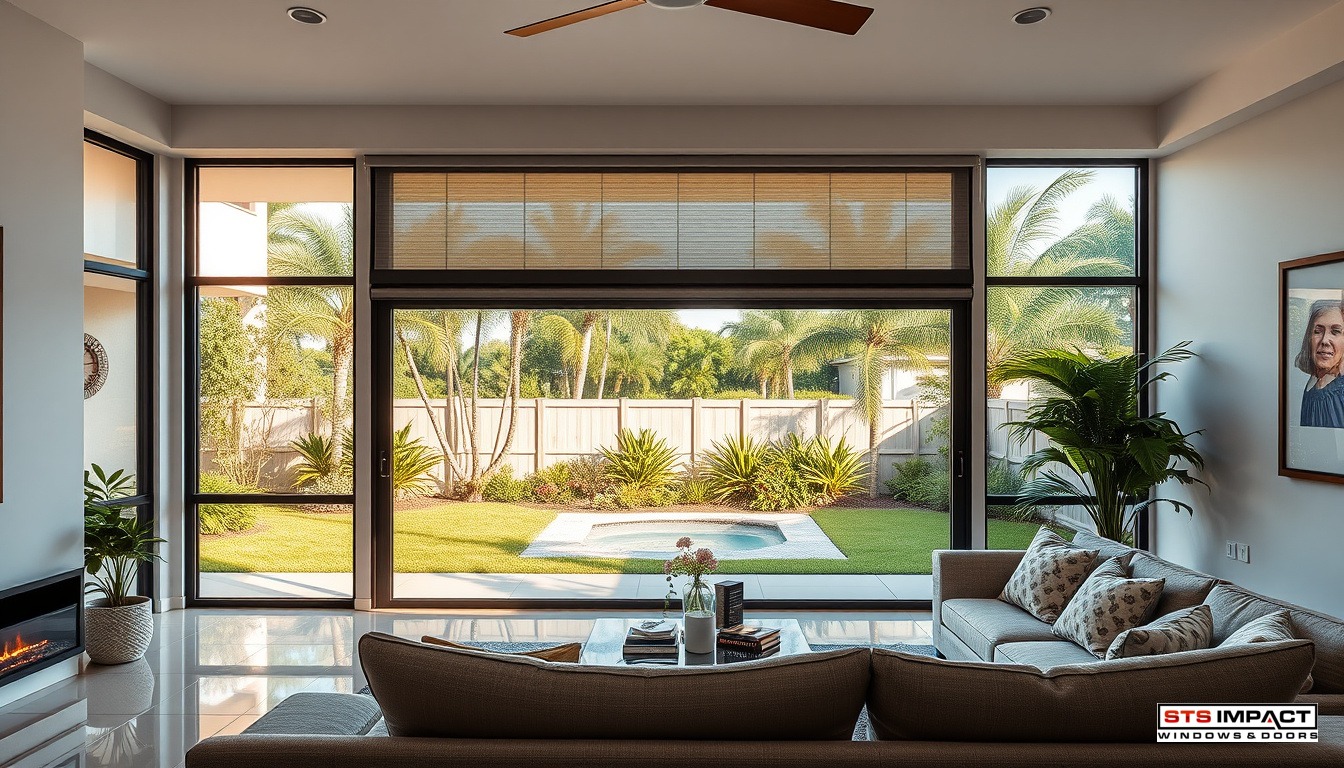
Why Horizontal Roller Impact Windows Are a Smart Fit for Boca Raton Homes
Sliding-style windows have always been popular in South Florida, and for good reason. They work well in tight spaces, allow cross-ventilation without a protruding sash, and suit the wide, low-profile openings common in ranch-style homes and condominiums throughout Palm Beach County. But when hurricane season rolls around, standard aluminum sliders simply don’t cut it anymore. Horizontal roller impact windows Florida homeowners are installing today combine that same practical design with laminated glass and reinforced frames built to meet Florida Building Code wind-load requirements.
For residents along Glades Road, in communities off Palmetto Park Road, or tucked into the neighborhoods east of Military Trail, the appeal is easy to understand. You get the ventilation and ease-of-use of a sliding window, plus the continuous protection that only an impact-rated unit can offer. No shutters to store. No boarding up before a storm. Just a window that handles both jobs year-round.
If you’ve been comparing options and want to understand the products available, the impact windows Florida product overview is a good place to start before digging into specifics.
How the Roller Design Handles High-Wind Pressure
A common misconception is that a sliding window is structurally weaker than a single-hung or casement unit because it lacks a fixed sash. In reality, impact-rated horizontal rollers achieve their strength through the combination of the frame depth, the interlocking meeting rails, and the laminated glass unit itself. The glass, typically a PVB or SGP interlayer bonded between two panes, won’t shatter into flying shards on impact. Even if the outer pane cracks under extreme pressure, the interlayer holds everything together, keeping the building envelope sealed.
Testing for these windows follows the Florida Building Commission’s product approval standards, which require large missile impact testing for openings in the high-velocity hurricane zone that covers most of South Florida. Palm Beach County falls squarely in that zone, so any window installed here needs a current Florida Product Approval number before a permit can be issued.
Sizing, Frame Materials, and What Palm Beach County Permits Require

Not every horizontal roller impact window fits every opening. Width-to-height ratios matter for structural performance, and there are practical limits on how large a single sliding unit can be before it needs to be split into a multi-panel configuration. For the broad, landscape-oriented openings common in single-story homes near Yamato Road or in the townhome communities around Town Center Road, a two-lite or three-lite roller setup is often the right answer.
Frame material is another real decision. Aluminum frames dominate this market in coastal South Florida because they resist the salt air that accelerates corrosion in steel and causes wood to rot. Powder-coated finishes add another layer of protection. Some manufacturers offer vinyl frames as an alternative for improved thermal performance, though in the Florida heat the energy savings from vinyl vs. aluminum with a thermal break are modest compared to northern climates.
The Permit Process and Why It Matters Here
Palm Beach County building permits for impact windows and doors Florida installations are not optional. A permitted installation means an inspector verifies that the product approval matches the installation conditions, that fastener spacing meets the approved drawings, and that the rough opening was properly prepared. Unpermitted work can surface as a major problem during a home sale, and insurance carriers have started scrutinizing documentation more carefully after recent storm seasons.
When you request a free quote from a reputable contractor, the permit fees and process should be included in the scope of work, not treated as an add-on. Ask specifically which Florida Product Approval number covers the window being proposed for your opening size and wind zone. Any contractor who can’t produce that number on the spot is worth questioning further.
For a broader look at what goes into a well-executed project, the STS Way installation approach explains how the process should flow from measurement through final inspection.
Maintenance, Salt Air, and Making Your Investment Last
The geography around Boca Raton puts homes within close range of the Atlantic coast, and even properties several miles inland accumulate salt deposits on glass and frames faster than homeowners expect. For horizontal roller impact windows, the sliding track is the spot that needs the most attention. Salt, sand, and debris collect in the lower track channel and can accelerate wear on the weep holes and the nylon rollers that carry the sash.
Cleaning is straightforward: a mild soap solution and a soft brush in the track, followed by rinsing with fresh water. Avoid petroleum-based lubricants in the track, which attract more debris. A silicone-based spray applied lightly to the track a couple of times a year keeps the sash gliding smoothly and reduces stress on the roller hardware. The glass itself just needs routine washing; the laminated unit is sealed at the edges and doesn’t require any special treatment beyond keeping the frame weeps clear so condensation can drain.
Understanding What Your Warranty Actually Covers
Manufacturer warranties on impact windows Florida products vary widely. The glass seal warranty, which covers delamination and seal failure, is typically separate from the frame and hardware warranty. In South Florida’s heat and UV exposure, seal failure is the failure mode that shows up most often over a 10-to-15-year window, and it usually appears as fogging between the panes. Understanding whether your warranty covers seal replacement as a standalone repair or requires full unit replacement is worth clarifying before you sign.
Labor warranties from the installing contractor are a separate matter entirely. A contractor warranty covers workmanship issues like leaking around the frame perimeter, fastener pull-out, or sealant failure at the rough opening. These are distinct from the product warranty and should be documented in writing. Check the frequently asked questions page for more detail on what to look for in post-installation coverage.
The National Association of Home Builders guidance on impact windows also provides a useful baseline for understanding product quality tiers and what long-term performance expectations are reasonable.

Frequently Asked Questions
Can horizontal roller impact windows be installed in a condominium in Boca Raton?
Yes, but condo installations involve an extra layer of approval beyond the standard building permit. Most associations require unit owners to submit product specifications and drawings to the HOA or condo board before any window work begins. The Florida Condominium Act also has provisions about what constitutes a “limited common element,” which can affect who is responsible for the window and who pays for it. Working with a contractor familiar with Palm Beach County condo projects speeds up this process significantly because they already have the documentation packages that most boards require.
How do horizontal rollers compare to single-hung impact windows for a South Florida home?
Both are fully code-compliant impact options, but they suit different opening shapes and usage patterns. Single-hung impact windows work well for taller, portrait-oriented openings and are common in two-story homes. Horizontal rollers fit naturally in wide, landscape-oriented openings and are popular in single-story construction throughout Palm Beach County. Ventilation behavior also differs: a horizontal roller allows you to open either the left or right sash, which can help direct airflow differently than the bottom-only opening of a single-hung. The right choice depends on your existing rough openings and how you use the space.
Do impact windows actually lower homeowner’s insurance premiums in Florida?
In most cases, yes. Florida insurers are required to offer mitigation credits to policyholders who have documented opening protection, and fully impact-rated windows and doors typically qualify for the highest credit tier under a wind mitigation inspection. The actual dollar savings depend on your carrier, your coverage amount, and how your home was previously protected. Getting a post-installation wind mitigation inspection from a licensed inspector and submitting the results to your insurer is the step that triggers the discount. Some homeowners in this part of South Florida report premium reductions that offset a meaningful portion of the installation cost over time.
Choosing the right window type, contractor, and product for your specific home takes more than a quick online search. STS Impact Windows & Doors works with homeowners across the Boca Raton area, handling everything from product selection through permit coordination and final inspection. If you’re ready to move forward or just want to understand your options, reach out to STS Impact Windows & Doors directly and get a clear, no-pressure conversation about what your home actually needs.


